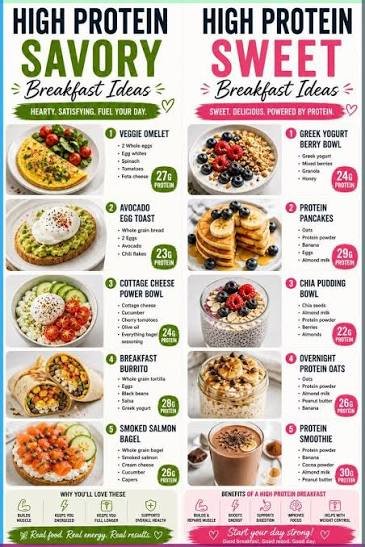

Eggs may dominate breakfast menus, but they are hardly essential. These savory breakfast recipes with high protein but no eggs offer satisfying alternatives built around tofu, yogurt, cottage cheese, beans, fish, poultry, and plant proteins.
Each recipe targets roughly 20 grams of protein or more. That threshold is an editorial benchmark, not an official dietary definition. Actual protein levels depend on brands, serving sizes, and substitutions. Check product labels when precise tracking matters.
These meals also prioritize flavor. Expect smoky spices, creamy sauces, crisp vegetables, fresh herbs, and warming grains. Most recipes can be prepared ahead. Several work for vegetarian or vegan diets.
Quick Recipe Comparison
| Recipe | Estimated Protein | Preparation Time | Diet Type |
|---|---|---|---|
| Cottage Cheese Breakfast Bowl | 30g | 10 minutes | Vegetarian |
| Tofu and Black Bean Scramble | 28g | 20 minutes | Vegan |
| Greek Yogurt Chickpea Bowl | 25g | 10 minutes | Vegetarian |
| Turkey Sweet Potato Skillet | 30g | 25 minutes | Meat-based |
| Smoked Salmon Cottage Cheese Toast | 29g | 10 minutes | Pescatarian |
| Tempeh Breakfast Burrito | 30g | 25 minutes | Vegan |
| Chicken Quinoa Breakfast Bowl | 31g | 15 minutes | Meat-based |
| Lentil, Feta, and Spinach Hash | 23g | 20 minutes | Vegetarian |
| Seitan Mushroom Skillet | 32g | 20 minutes | Vegan |
Protein values are estimates based on typical ingredient portions. The USDA’s database can help publishers verify individual ingredient values before publication. USDA FoodData Central
What Makes an Egg-Free Breakfast High in Protein?
Protein can come from one main ingredient or several smaller sources. Tofu becomes stronger when paired with black beans. Greek yogurt gains texture and protein from chickpeas. Quinoa works better alongside chicken, tempeh, or cottage cheese.
A balanced savory breakfast should also contain fiber and healthy fats. Vegetables, beans, whole grains, seeds, and avocado can provide them.
Protein needs vary by age, body size, and activity. Health conditions can also change dietary requirements. Anyone managing kidney disease, food allergies, or another medical condition should seek personalized professional advice.
1. Savory Cottage Cheese Breakfast Bowl
Cottage cheese creates a creamy base without cooking. A one-cup serving can provide around 25 grams of protein, depending on the brand.
Add sliced cucumber, cherry tomatoes, red onion, and fresh dill. Sprinkle roasted pumpkin seeds over the top. Finish with black pepper, olive oil, and lemon juice.
Choose a lower-sodium cottage cheese when necessary. Olives and seasoning blends can raise sodium quickly.
For extra heat, add chili flakes or hot sauce. Serve the bowl with whole-grain toast. It takes ten minutes and travels well in a sealed container.
Estimated protein: About 30 grams per serving.
2. Tofu and Black Bean Scramble
Firm tofu offers a convincing scramble texture. It also absorbs spices exceptionally well.
Drain 200 grams of firm tofu. Crumble it directly into a hot skillet. Add smoked paprika, cumin, turmeric, garlic, and black pepper. Cook until its surface becomes lightly golden.
Stir in half a cup of rinsed black beans. Add spinach and diced bell pepper. Cook until the spinach wilts. Finish with salsa and fresh coriander.
Nutritional yeast can add savory flavor and extra protein. Check the label because fortified varieties differ.
This scramble is naturally vegan. Serve it alone or inside warm corn tortillas.
Estimated protein: About 28 grams per serving.
3. Savory Greek Yogurt and Chickpea Bowl
Plain Greek yogurt is usually associated with fruit. Its tangy flavor also suits savory ingredients.
Place one cup of unsweetened Greek yogurt in a bowl. Add half a cup of roasted chickpeas. Top it with cucumber, tomatoes, parsley, and chopped mint.
Season everything with cumin, pepper, and sumac. Add a teaspoon of olive oil. A little lemon zest gives the bowl a brighter finish.
Roast the chickpeas beforehand for better texture. Store them separately to preserve their crunch.
Use strained soy yogurt for a dairy-free version. Select a high-protein product because plant-based yogurt varies considerably.
Estimated protein: About 25 grams per serving.
4. Turkey and Sweet Potato Breakfast Skillet
This skillet combines lean protein with slow-digesting carbohydrates. It works especially well after morning exercise.
Dice one small sweet potato. Cook it in a covered skillet until nearly tender. Add chopped onion and bell pepper.
Push the vegetables aside. Brown 120 grams of lean ground turkey. Season it with sage, paprika, garlic, and pepper. Mix everything once the turkey is fully cooked.
Add spinach during the final two minutes. Garnish with parsley or sliced spring onions.
Prepare the potatoes and turkey on Sunday. Reheat one portion each morning. Use a food thermometer to confirm poultry reaches a safe internal temperature. USDA Food Safety Guidance
Estimated protein: About 30 grams per serving.
5. Smoked Salmon and Cottage Cheese Toast
This breakfast needs no frying pan. It delivers creamy, smoky, and fresh flavors.
Toast two slices of dense whole-grain bread. Spread half a cup of cottage cheese across them. Add approximately 85 grams of smoked salmon.
Top the toast with cucumber ribbons and capers. Fresh dill works especially well. Finish with lemon juice and cracked pepper.
Smoked salmon can contain substantial sodium. Keep other salty ingredients modest. Cooked salmon may be used instead.
For additional fiber, serve the toast with tomatoes or leafy greens.
Estimated protein: About 29 grams per serving.
6. Tempeh Breakfast Burrito
Tempeh has a firm texture and earthy taste. Browning gives it crisp edges.
Crumble 150 grams of tempeh into a skillet. Add cumin, chili powder, smoked paprika, and garlic. Cook until browned.
Add peppers, onions, and a spoonful of salsa. Place the mixture inside a high-fiber tortilla. Add avocado, cabbage, and coriander.
A tablespoon of nutritional yeast deepens the savory flavor. Black beans can replace some tempeh when needed.
Wrap each burrito tightly in foil. Refrigerate short-term portions. Freeze extras for later breakfasts.
Estimated protein: About 30 grams per serving.
7. Chicken and Quinoa Breakfast Bowl
Breakfast does not require traditional breakfast foods. Leftover chicken and quinoa create a fast morning meal.
Combine 100 grams of cooked chicken with three-quarters of a cup of cooked quinoa. Add roasted courgette, tomatoes, and spinach.
For the dressing, mix Greek yogurt with lemon juice and herbs. A dairy-free tahini dressing also works.
Heat the chicken, quinoa, and vegetables first. Add the sauce afterward. This keeps its texture smooth.
Cooked leftovers must be chilled promptly and reheated safely. Follow current storage guidance rather than judging food only by smell.
Estimated protein: About 31 grams per serving.
8. Lentil, Feta, and Spinach Hash
Lentils provide protein, fiber, and a hearty texture. Canned lentils make this recipe especially fast.
Sauté mushrooms and onions until browned. Add one cup of drained lentils. Season with cumin, oregano, pepper, and garlic.
Fold in two handfuls of spinach. Cook until wilted. Crumble 50 grams of feta over the skillet.
Fresh tomatoes add acidity. Chopped walnuts can supply crunch. Use dairy-free feta for a fully plant-based variation, though its protein may differ.
Serve the hash with toast or roasted potatoes.
Estimated protein: About 23 grams per serving.
9. Seitan and Mushroom Breakfast Skillet
Seitan is rich in protein and has a chewy texture. It is made from wheat gluten, making it unsuitable for people with coeliac disease or wheat allergies.
Slice 150 grams of seitan into thin strips. Brown them in a lightly oiled skillet. Add mushrooms, onions, and peppers.
Season with thyme, paprika, garlic, and pepper. Add a handful of kale. Cook until tender.
Serve the mixture over toast or roasted potatoes. A spoonful of salsa can provide acidity and heat.
Check packaged seitan for sodium. Brands and seasoning levels vary widely.
Estimated protein: About 32 grams per serving.
Meal-Preparation Tips
Choose two recipes: Rotate them throughout the week.
Separate wet toppings: Keep sauces away from toast and grains.
Cool food quickly: Refrigerate cooked ingredients without long delays.
Label each container: Record preparation dates clearly.
Freeze sturdy meals: Burritos and cooked skillets freeze well.
Recheck protein totals: Use actual package labels for accuracy.
Frequently Asked Questions
Can breakfast be high in protein without eggs?
Yes. Dairy, tofu, tempeh, beans, lentils, fish, poultry, and seitan provide many options. Combining ingredients can raise the meal’s total protein.
What is the fastest egg-free protein breakfast?
A cottage cheese bowl or Greek yogurt bowl takes about ten minutes. Both require little cooking and accept many toppings.
What are the best vegan breakfast proteins?
Tofu, tempeh, beans, lentils, seitan, soy yogurt, and nutritional yeast are useful choices. People avoiding gluten should skip seitan.
Can these breakfasts support weight-management goals?
Protein and fiber may make meals more satisfying. Results still depend on total intake, activity, sleep, and individual health. Portion sizes remain relevant.
Which recipes work for meal preparation?
The tempeh burrito, turkey skillet, tofu scramble, and chicken quinoa bowl store well. Keep crunchy garnishes separate until serving.
Practical Takeaways
- Build around protein: Start with tofu, dairy, legumes, or meat.
- Add useful fiber: Include vegetables, beans, or whole grains.
- Prepare core ingredients: Cook grains and proteins in advance.
- Track real portions: Nutrition varies across brands and serving sizes.
Egg-free breakfasts do not need to feel restrictive. A good protein base changes everything. Pair it with vegetables, bold seasoning, and practical preparation. The result is a savory breakfast that feels complete.
Disclaimer: Nutritional values are estimates compiled from standard ingredient data and public nutrition resources. This content is intended for educational and informational purposes. It does not replace personalized medical or dietary advice.
Read more :TheLifestyleEdge.com: Complete Guide & Review